Your Basket













23 Jan

The Two Bucket Wash: Your Paintwork's Best Friend - A Comprehensive Guide
Maintaining your car's paintwork is a crucial aspect of car detailing, and arguably, the wash stage is the most fundamental. While it might seem simple to just grab a sponge and some soap, improper washing techniques are a leading cause of swirl marks, scratches, and dull paint. Enter the Two Bucket Wash method – a simple yet incredibly effective technique that dramatically reduces the risk of paint damage and keeps your car looking its best for longer.
This comprehensive guide will break down the two-bucket wash method, explaining exactly why it's so vital for paint maintenance, how it fits into the overall wash stage of detailing, and provide you with a step-by-step guide to implementing it like a professional. Get ready to revolutionise your car washing routine and unlock the secret to a swirl-free shine!
Why Two Buckets? The Technical Breakdown
Let's delve into the science behind why the two-bucket wash method is superior to traditional single-bucket washing. The problem with the single-bucket approach lies in contamination.
Imagine this: You dip your wash mitt into a bucket of soapy water, wipe down a section of your car, and lift away dirt, grime, and potentially abrasive particles like grit and sand. Now, where does all that contamination go? Back into the same bucket of soapy water! With each dip, you're essentially loading your wash water with more and more abrasive particles. This turns your "clean" wash water into a dirty soup, and every subsequent wipe with your mitt becomes an exercise in scratching and swirling your paint.
The two-bucket method elegantly solves this contamination issue. It employs a dedicated wash bucket and a separate rinse bucket. Here's the process and why it works:
- Wash Bucket: This bucket contains your car wash solution (shampoo and water). This is where you load your wash mitt with soapy water to clean your car panel by panel.
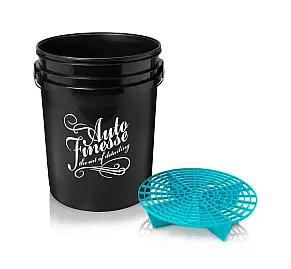
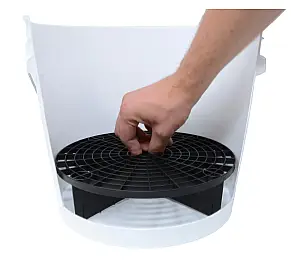
- Rinse Bucket (with Grit Guard): This bucket contains only clean water and crucially, a grit guard at the bottom. The grit guard is a plastic insert with raised vanes or holes that sits at the bottom of the bucket. Its function is to trap dirt and grit that is rinsed off your wash mitt at the bottom of the bucket, preventing it from being re-suspended into the rinse water.
The magic happens in the rinse bucket. After wiping a section of your car, you firstrinse your wash mitt thoroughly in the rinse bucket, rubbing it against the grit guard to dislodge trapped dirt. The dirt settles to the bottom, away from your mitt and the cleaner water above. Only after rinsing in the dedicated rinse bucket do you then dip your mitt back into the wash bucket for more soapy solution.
This simple two-bucket system creates a closed-loop system that effectively isolates contamination. You're constantly rinsing the dirt away from your wash mitt in the rinse bucket before re-dipping into your clean wash solution. This drastically reduces the amount of dirt and grit transferred back to your car's paint surface, minimising the creation of swirl marks and scratches.
In short, the two-bucket method is crucial because:
- Minimises Swirl Marks and Scratches: By preventing the re-introduction of abrasive particles to your paintwork.
- Preserves Paint Gloss and Clarity: Reduces micro-scratches that dull the paint's shine.
- Extends the Lifespan of Your Paint: Protects the clear coat, the protective layer of your paint, from premature wear and tear.
- Makes Washing More Effective: Clean water cleans better than dirty water!
The Two Bucket Wash within the Detailing Wash Stage
The two-bucket wash is a cornerstone of the wash stage in car detailing, but it's not the only step. A proper detailing wash process often involves a few key stages to ensure maximum cleanliness and paint protection. Here's how the two-bucket method fits in:
-
Pre-Wash (Optional but Highly Recommended): Before even touching your paint with a wash mitt, the pre-wash stage aims to remove as much loose dirt and grime as possible. This is typically done with:
- Snow Foam: A thick, clinging foam applied with a foam cannon or lance that encapsulates dirt and gently lifts it from the surface before being rinsed away.
- Pre-Wash Sprays: Traffic film removers or dedicated pre-wash sprays are applied to break down stubborn grime and road film.
- Pressure Washer Rinse: After the pre-wash product dwells, it's rinsed away with a pressure washer, taking a significant amount of dirt with it.
-
Two Bucket Wash: This is the main wash stage where you use the two-bucket method, wash mitt, and car shampoo to physically clean the remaining dirt from the paint surface.
-
Rinse: After washing panel by panel, rinse the entire car thoroughly with clean water to remove all soap residue.
-
Drying: Proper drying is just as important as washing. Avoid air drying which can lead to water spots. Instead, use:
- Microfibre Drying Towels: Soft, absorbent towels designed for drying car paint without scratching.
- Air Blower/Car Dryer: For touchless drying, minimising any contact with the paint surface.
The two-bucket wash is the crucial link between the pre-wash and drying stages. It ensures that after the initial bulk of dirt is removed by the pre-wash, the remaining surface is cleaned effectively and safely, preparing it for drying and further detailing stages like polishing or waxing.
Step-by-Step Guide to the Two Bucket Wash Method
Ready to implement the two-bucket wash method? Here's your step-by-step guide:
What You'll Need:
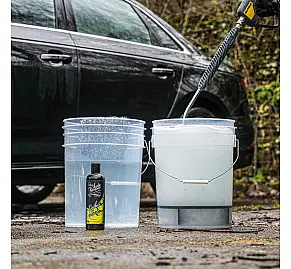
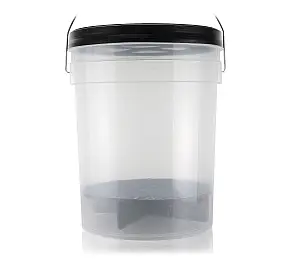
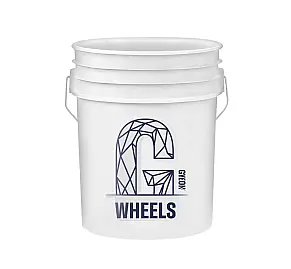
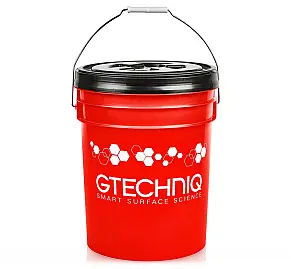
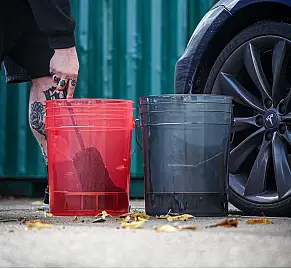
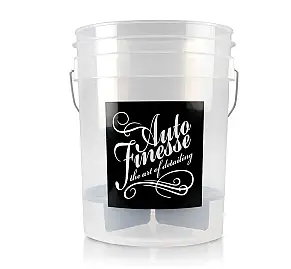
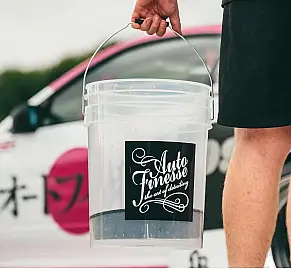
- Two Buckets: Clearly label one as "Wash" and the other as "Rinse". Ideally, use buckets of different colours or bucket stickers to avoid confusion. We sell both clear buckets and coloured transparent buckets.
- Two Grit Guards: One for each bucket, but absolutely essential for the rinse bucket. We recommend genuine Grit Guard® Bucket Insert, again available in a range of colours, as these fit all our imported large 5 gallon US buckets perfectly.
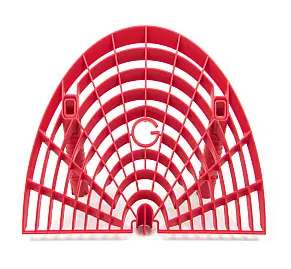
If you really want to level up your bucket, you can also add a Grit Guard Wash board to your 'Rinse' bucket. This integrates into the grit guard to form a board on the side of the bucket that allows you agitate the mitt to remove the contaminates into the dirty rinse water. - Car Wash Shampoo: Use a high-quality car shampoo that is pH-neutral and designed for automotive paint. Avoid household detergents!
- Wash Mitts (x2 Recommended): Use high-quality microfibre or lambswool wash mitts. Consider having one for upper, cleaner areas and another for lower, dirtier areas.
- Hosepipe with Clean Water Source
- Pressure Washer (Optional but Recommended for Pre-Wash)
- Drying Towels or Car Dryer: High quality microfibre drying towels or for contactless drying a Car Dryer should be used for drying. Long pile microfibres drying towels not only work extremely effectively but again help minimise creating any damage to the paint.
The Two Bucket Wash Process:
- Pre-Wash (Optional but Recommended): Perform your pre-wash stage using snow foam and/or pre-wash sprays and rinse thoroughly with a pressure washer.
- Prepare Buckets: Fill one bucket with clean water and add your chosen car shampoo according to the manufacturer's instructions (this is your wash bucket). Fill the second bucket with just clean water (this is your rinse bucket). Place a grit guard in the bottom of both buckets, but ensure it's definitely in the rinse bucket.
- Rinse the Car: Rinse the entire car again with clean water to remove any remaining loose dirt from the pre-wash stage.
- Start Washing (Panel by Panel):
- Dip your clean wash mitt into the wash bucket, soaking it with soapy water.
- Gently wash a single panel of your car using linear, overlapping strokes. Work from top to bottom, as the lower areas are usually dirtier.
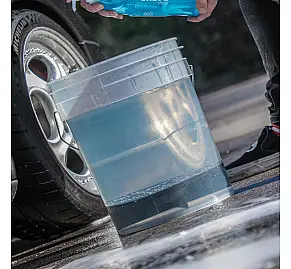
- Rinse the Mitt: Before re-dipping into the wash bucket, rinse your wash mitt thoroughly in the rinse bucket. Rub the mitt against the grit guard at the bottom of the rinse bucket to dislodge dirt and grit.
- Re-Dip in Wash Bucket: Dip your rinsed mitt back into the wash bucket to reload with clean soapy water.
- Repeat: Continue this process panel by panel, always rinsing your mitt in the rinse bucket before re-dipping into the wash bucket. Consider using a separate, dedicated wash mitt for the lower, dirtier sections of your car (wheels, sills, lower doors).
- Rinse the Car Thoroughly: Once you've washed the entire car, rinse it thoroughly with clean water to remove all soap residue.
- Dry the Car: Dry your car using microfibre drying towels or a car dryer to prevent water spots.


Tips for Success:
- Work in the Shade: Avoid washing your car in direct sunlight, as the soap can dry too quickly and cause water spots.
- Use Dedicated Wash Mitts: Keep separate mitts for wheels and bodywork to avoid cross-contamination.
- Change Rinse Water: If your rinse water becomes visibly dirty, empty it and refill with clean water during the wash process.
- Two Mitt Method (Advanced): For ultimate paint protection, some detailers use twowash mitts. One mitt is used to pick up soapy water, the other to actually touch and wash the paint. This further minimises contamination.
Frequently Asked Questions – Two-Bucket Wash Method
Do I really need two buckets? Is one bucket with a grit guard not enough?
A single bucket with a grit guard is better than nothing, but it doesn’t isolate contamination the way two buckets do. The rinse bucket removes dirt from your mitt before it returns to the clean wash solution—crucial for minimising swirls. Two buckets are highly recommended.
Can I use any buckets?
Detailing buckets (durable, good size) are ideal—use different colours for easy ID. Clean household buckets can work in a pinch; ensure they’re residue-free. Transparent buckets help you see contamination building up, and the size we sell hits a sweet spot for usability.
How often should I change the water in my rinse bucket?
Change it whenever it becomes visibly dirty or murky. On heavily soiled cars, refresh the rinse water halfway through the wash.
Can I use sponges instead of wash mitts?
You can, but microfiber or lambswool mitts are safer. Mitts lift and trap dirt within the pile; sponges tend to hold grit against the paint and can induce marring.
Is the two-bucket method only for detailing enthusiasts?
Not at all. It’s a simple, effective technique for anyone who wants to protect their paint and reduce swirl marks.
What if I don’t have a hosepipe or access to running water?
Pre-fill both buckets and use a watering can or clean jugs to rinse panels. It’s more effort than using a hose, but still far better than a single-bucket wash.
Conclusion: Protect Your Investment with the Two Bucket Wash
The two-bucket wash method is not just a technique; it's a fundamental principle of safe and effective car washing. By understanding the science behind it and implementing it diligently, you can significantly reduce swirl marks, scratches, and paint damage, keeping your car looking its absolute best for years to come. Invest in the right tools, follow the steps outlined in this guide, and experience the difference the two-bucket wash method can make to your car detailing routine. Your paintwork will thank you for it!
Start your two-bucket wash journey today by exploring the range of high-quality car washing products available at https://www.cleanyourcar.co.uk. Happy detailing!