Your Basket









20 Jun
Which Pressure Washer Is Right For Me?
Contents
When choosing a pressure washer for car detailing, the headline numbers rarely tell the full story. A machine might be advertised with a huge maximum PSI figure, but that does not always reflect how it performs in real use.
For detailing, the more useful questions are:
- How much water does it actually flow?
- What pressure does it hold with a realistic nozzle fitted?
- How many amps does it pull from a normal UK plug?
- How loud is it?
- How heavy is it to move around?
- Can it draw water from a bucket or tank?
- How does it behave when you release the trigger?
- Is it easy on hoses, guns, quick releases, swivels and other accessories?
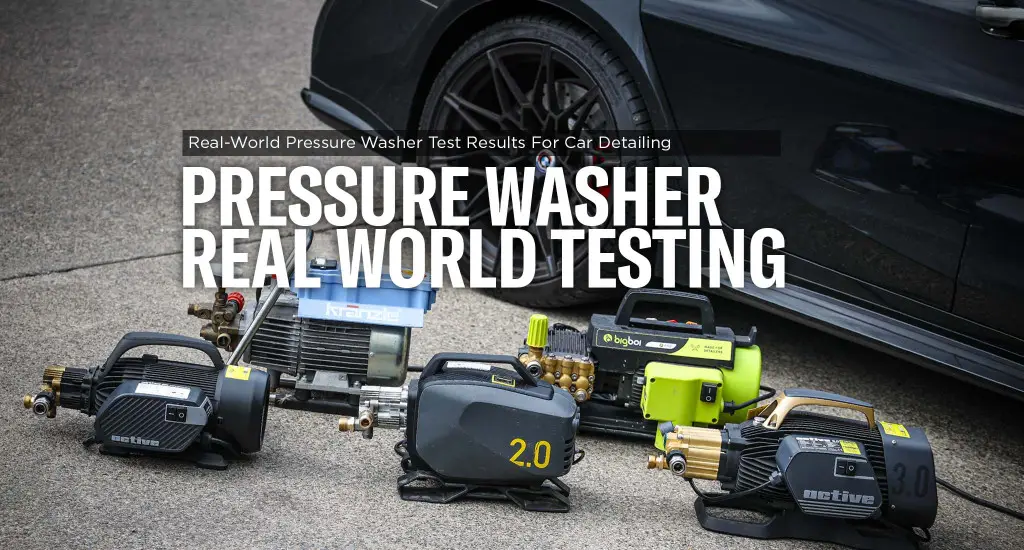
Rather than simply rely on manufacturer figures, we have started testing pressure washers ourselves using a consistent real-world setup. This article will be updated as we test more machines.
How We Test
Our aim is to test pressure washers in a way that reflects how they are actually used by detailers.
For each machine, we test with different 40° orifice sizes and record:
- Flow rate in litres per minute and gallons per minute
- Current draw in amps
- Working pressure in PSI
- Decibel reading
- Machine weight
- Tank or bucket draw ability
- Any notable behaviour during use
Flow rate is measured as litres per minute. Pressure is measured using an inline gauge. Current draw is measured using a plug-in amp meter.
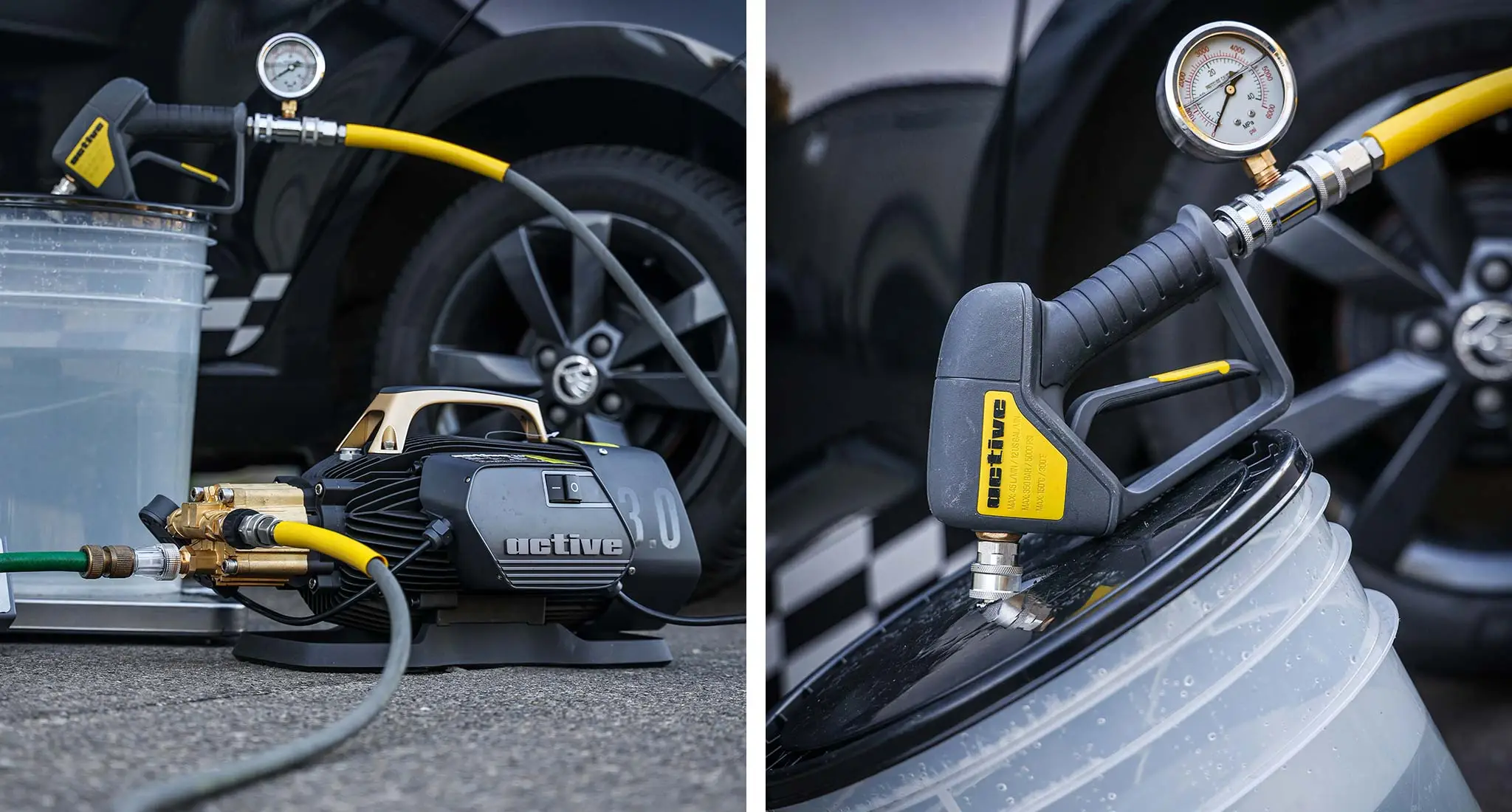
Important: These are our own in-house results using our water supply, hose setup, nozzles and measuring equipment — real-world comparative figures, not lab-certified results. Your results may vary depending on water supply, hose length, voltage and accessories.
Why Flow Rate Matters For Detailing
For car detailing, maximum pressure is not always the most important number.
High pressure can look impressive on paper, but too much pressure is not always desirable when washing vehicles. What often makes a machine feel good in use is the combination of sensible pressure and strong water flow.
A pressure washer with better flow can rinse faster, move more water across the panel, clear dirt and pre-wash more effectively, and generally feel more efficient when cleaning cars.
This is why we test different orifice sizes. Changing the nozzle can make a big difference to the balance between pressure, flow rate and amp draw. A smaller nozzle will usually increase pressure but can also increase current draw and reduce flow. A larger nozzle will usually reduce pressure, increase flow and make the machine work less hard. The best setup is not always the one with the highest PSI — it is the one that gives the best real-world balance.
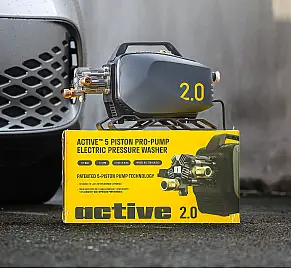
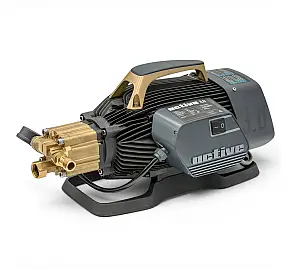
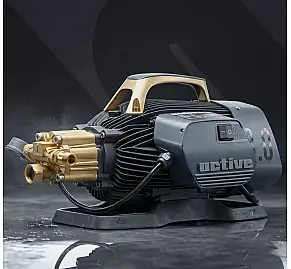
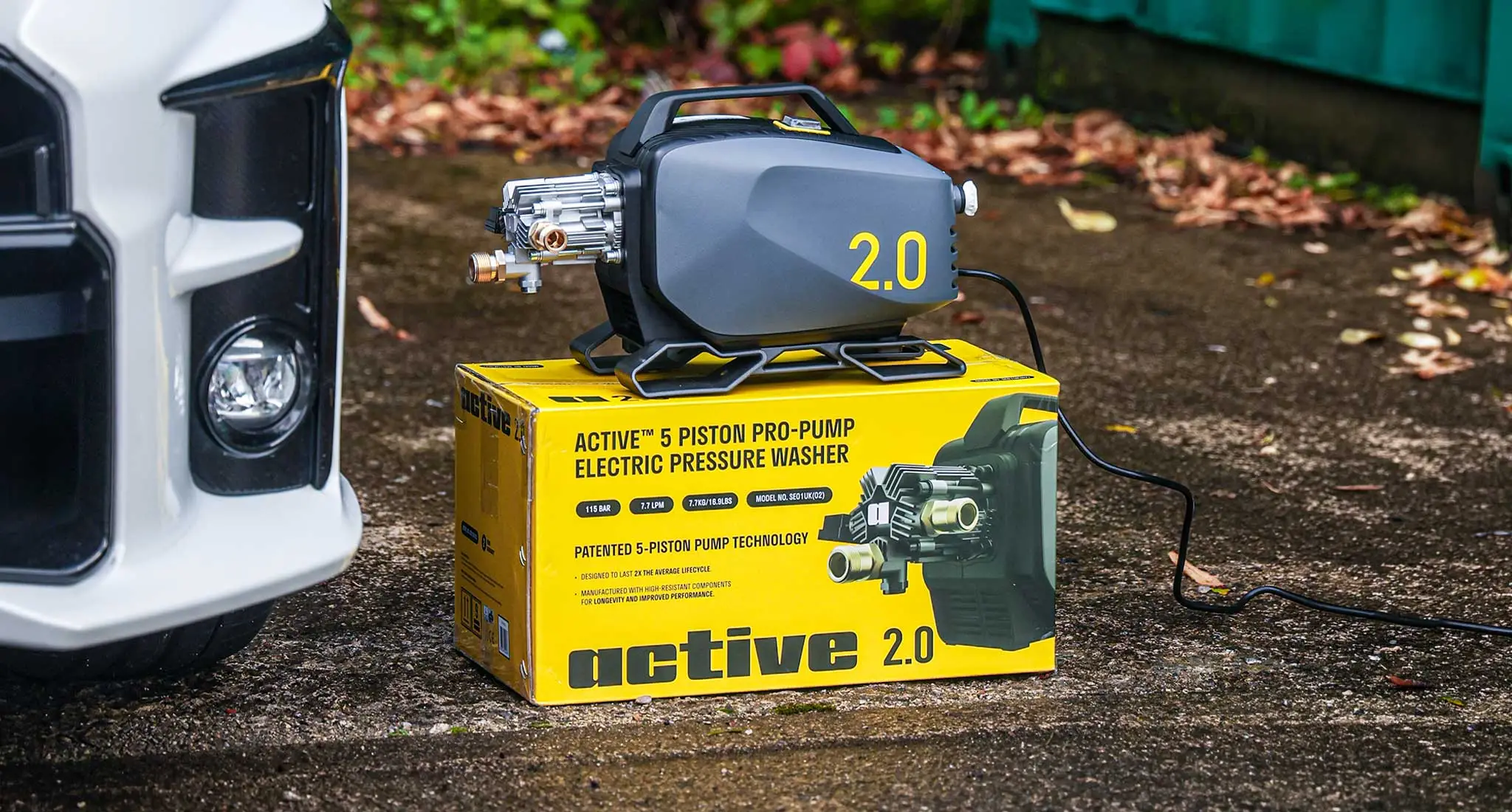
Active 2.0 Test Results
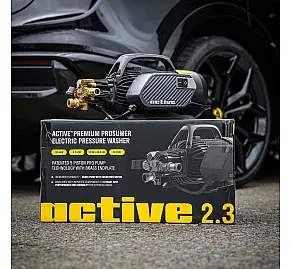
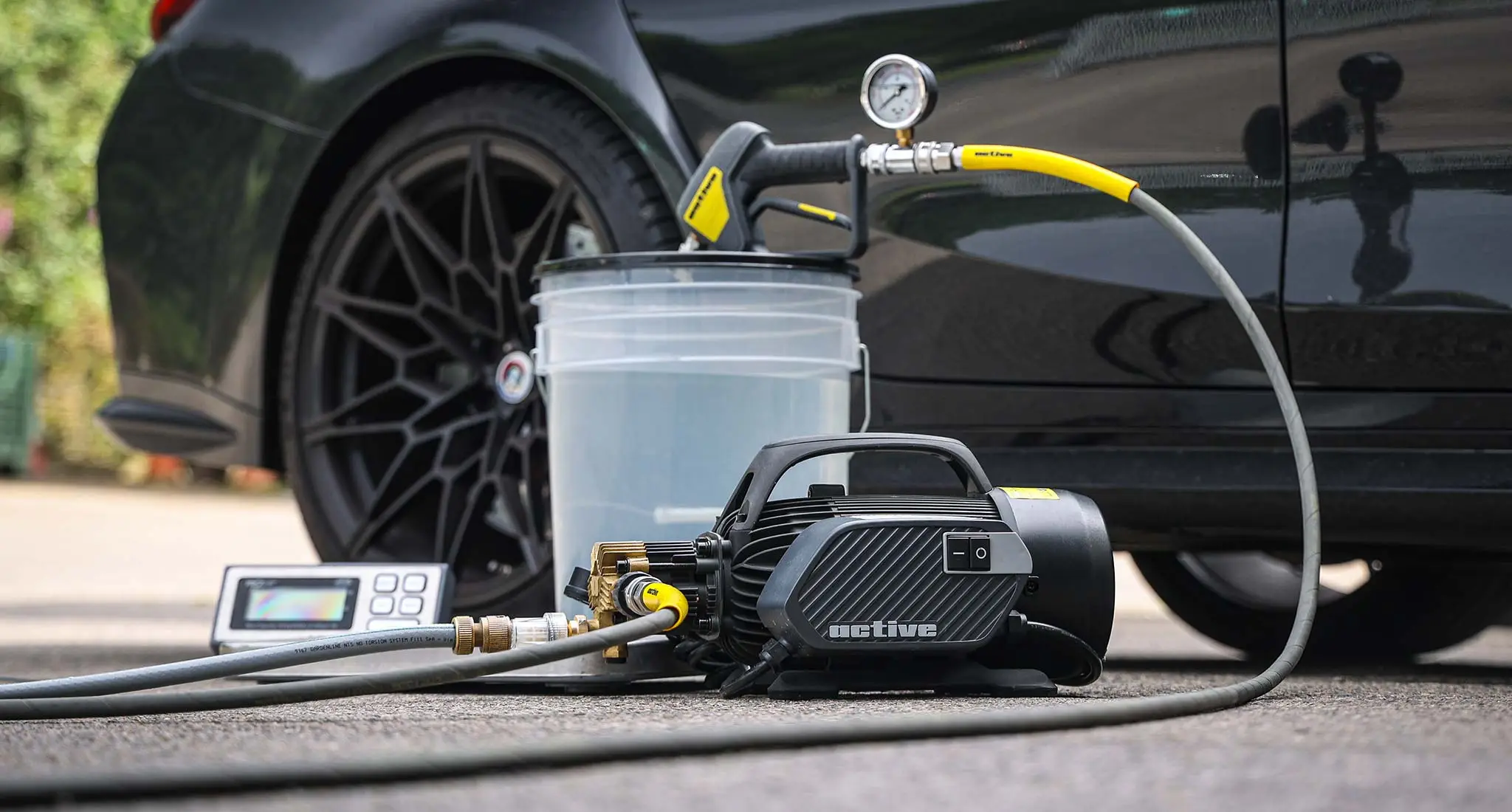
Active 2.3 Test Results
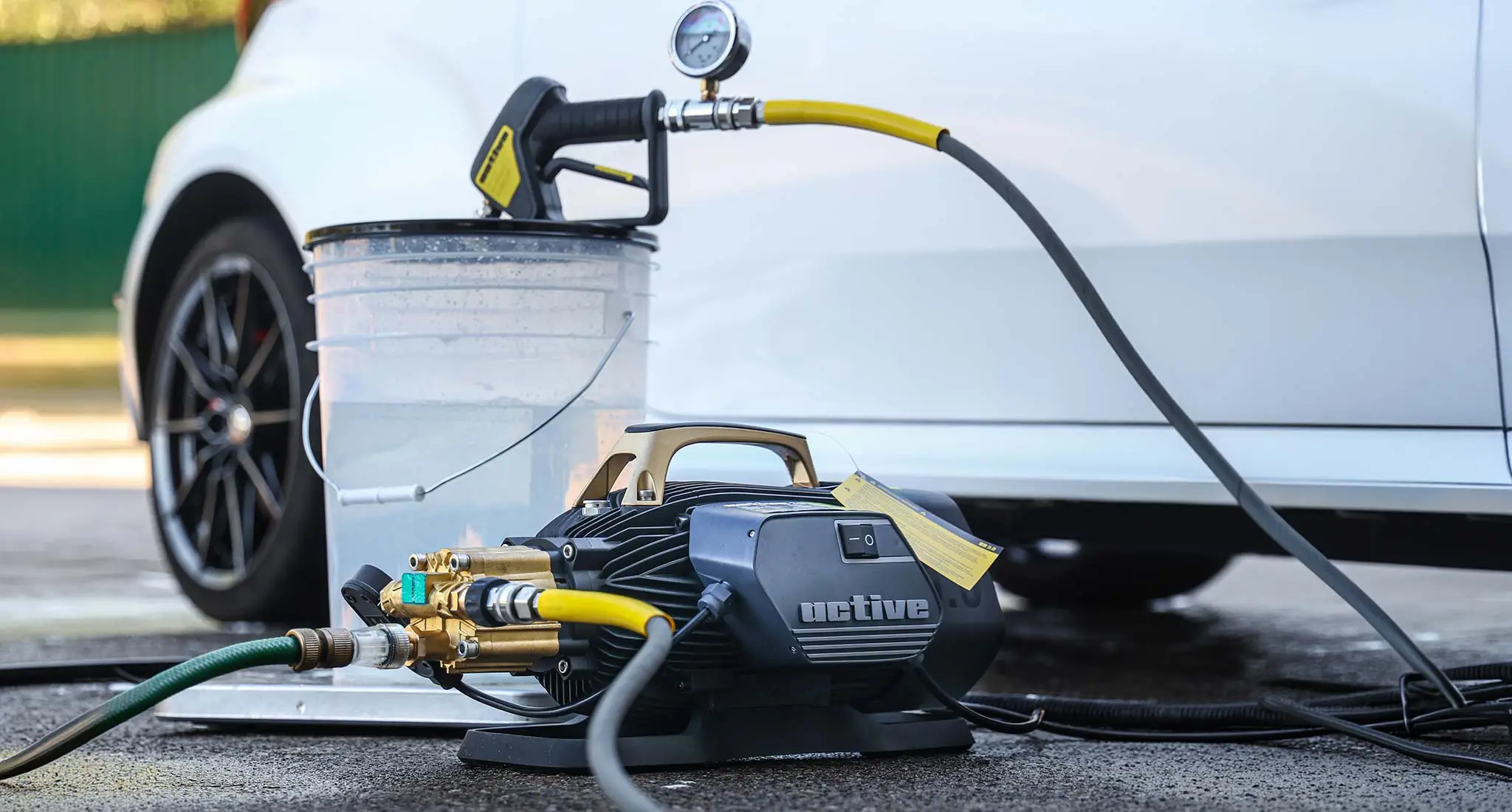
Active 3.0 Test Results
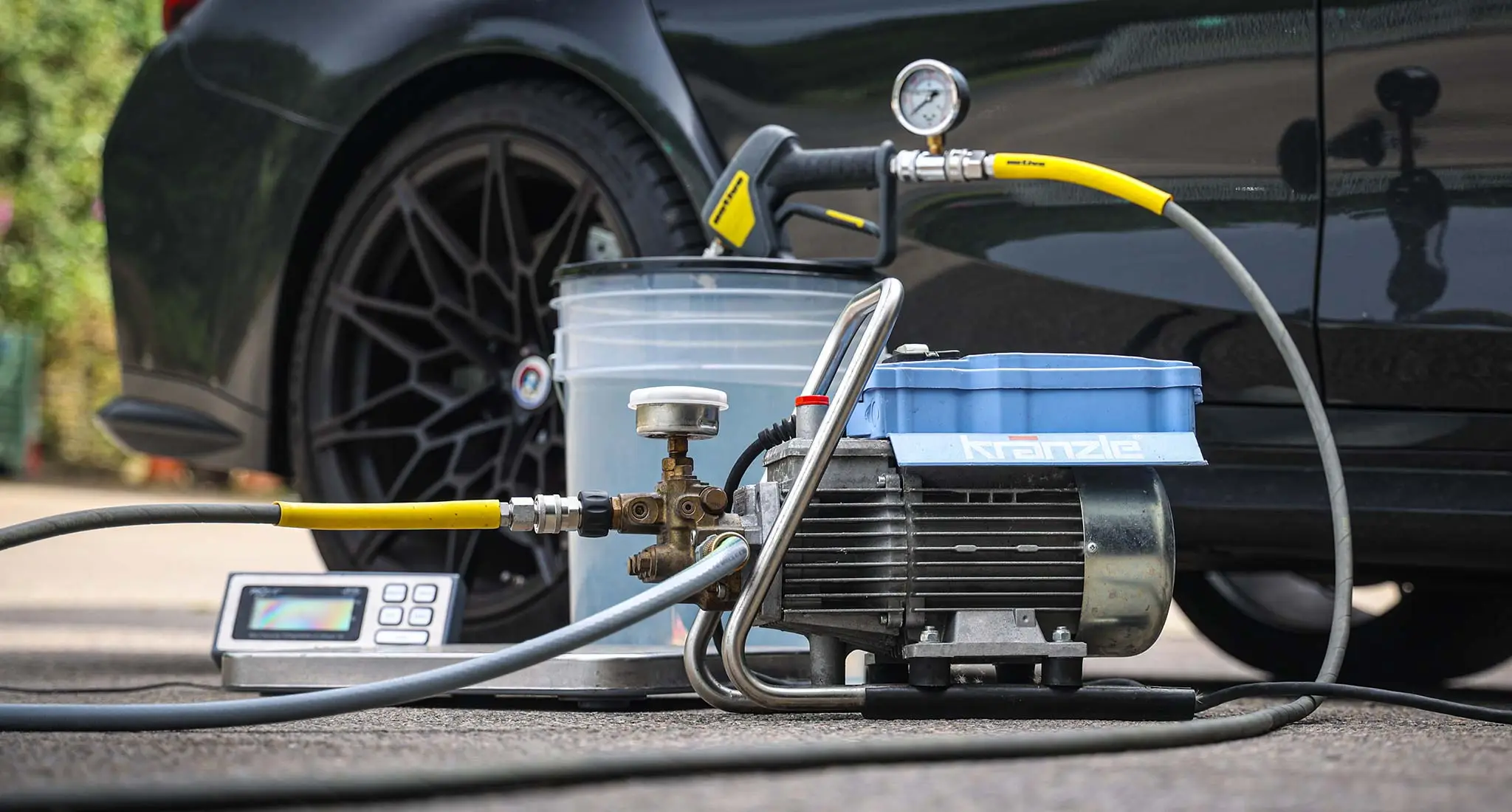
Kranzle K7/122 TS Test Results
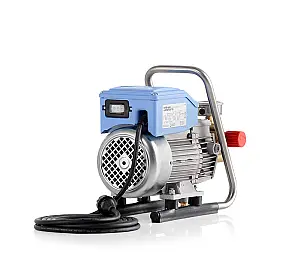
Kranzle K10/122 TS Test Results
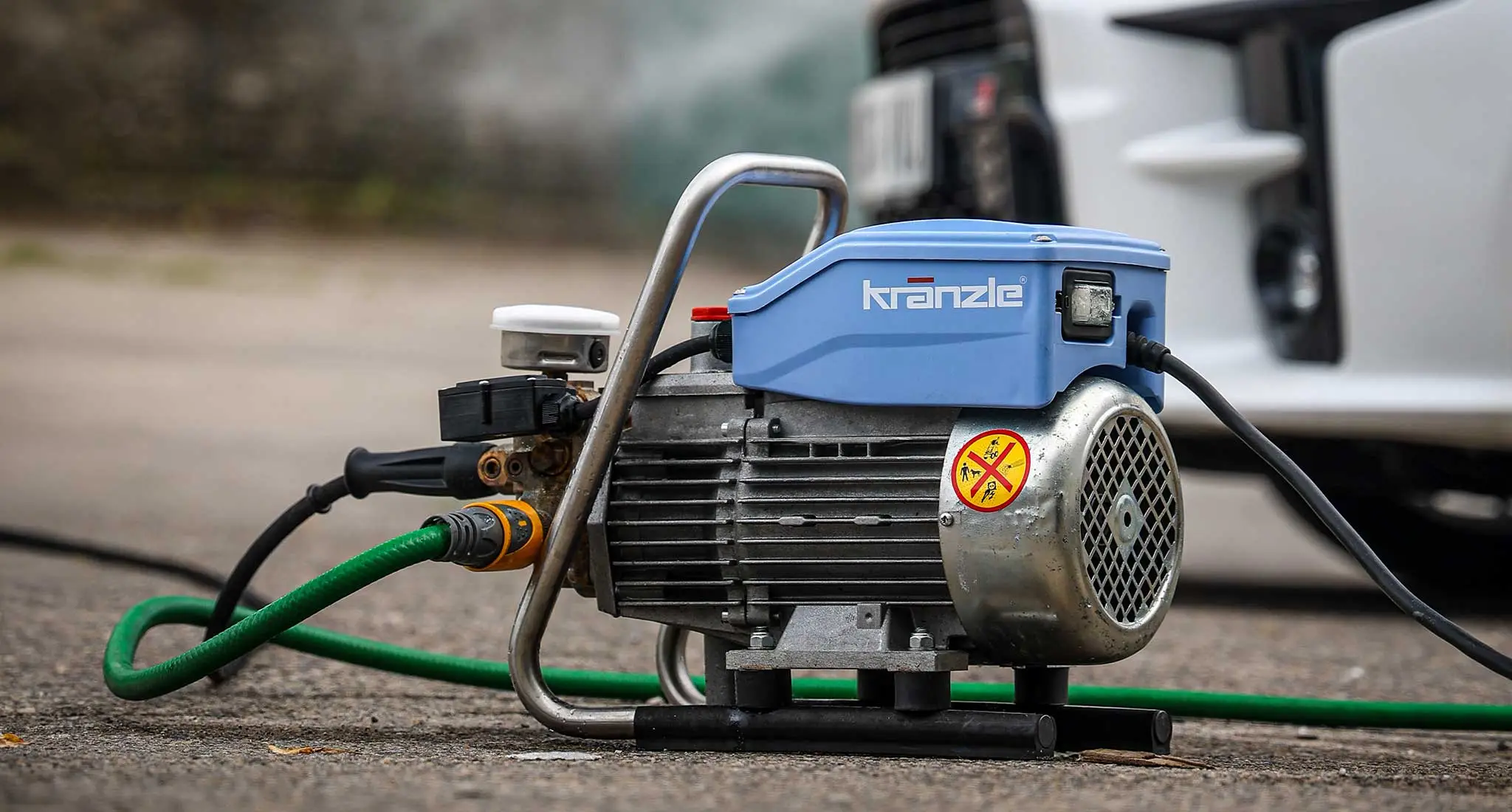
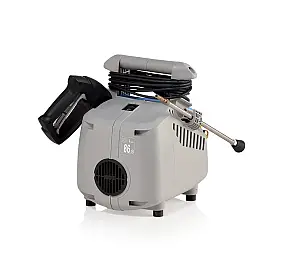
BigBoi WashR Pro Test Results
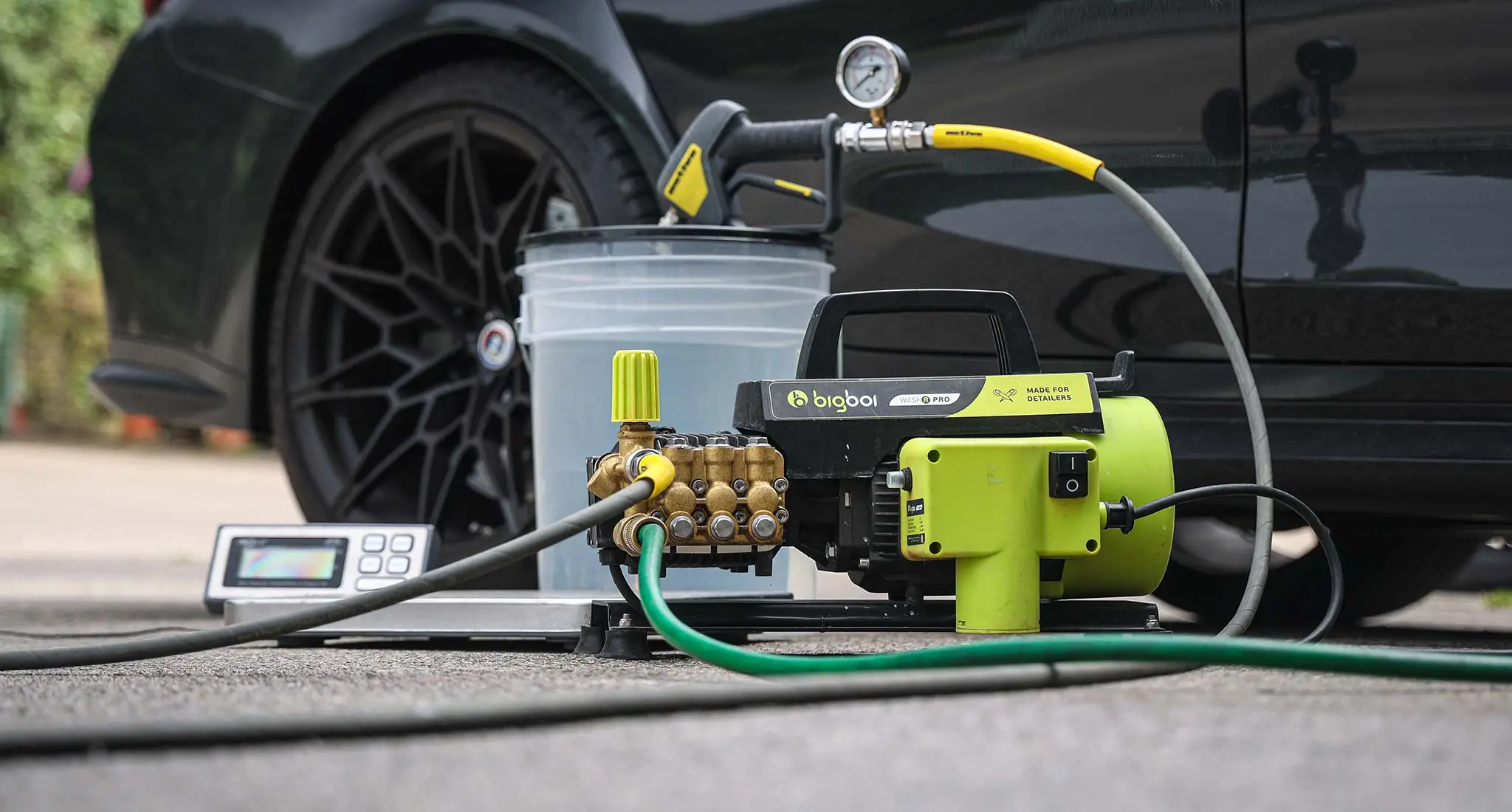
Kranzle 1050 Pressure Washer Test Results
Quick Comparison Table
Representative nozzle for each machine. Full results are in the individual sections above.
| Machine | Orifice | Flow | Amps | PSI | Weight | dB | Tank |
|---|---|---|---|---|---|---|---|
| Active 2.0 | 37 | 7.85 lpm | 7.04 | 1,050 | 5.65 kg | 80 | ✗ |
| Active 2.3 | 47 | 8.65 lpm | 5.76 | 950 | 14.8 kg | 79 | ✓ |
| Active 3.0 | 55 | 11.45 lpm | 9.20 | 1,350 | 23 kg | 79 | ✓ |
| Kranzle K7 | 30 | 6.20 lpm | 6.40 | 1,200 | 18 kg | 73 | ✓ |
| Kranzle K10 | 50 | 10.10 lpm | 9.68 | 1,100 | 19.65 kg | 80 | ✗ |
| Kranzle 1050 | 46 | 8.05 lpm | 7.3 | 900 | 18.1 kg | 79 | ✓ |
| BigBoi WashR Pro | 50 | 9.45 lpm | 11.02 | 1,000 | 25.65 kg | 73 | ✓ |
CleanYourCar Real-World Detailing Scores
Scored out of 10 based on our own testing across flow, pressure, efficiency, noise, portability, tank draw, accessory-friendliness and value. A higher score means more well-rounded for detailing use overall.
|
Active 2.0 ⭐ Best Value Pick Overall7.1 / 10
|
Active 2.3 ⚡ Generator Friendly Overall7.5 / 10
|
Active 3.0 ⭐ 💧 Highest Flow Overall8.9 / 10
|
|
Kranzle K7/122 TS Overall7.6 / 10
|
Kranzle K10/122 TS Overall6.9 / 10
|
BigBoi WashR Pro Overall7.0 / 10
|
|
Kranzle 1050 Overall7.4 / 10
|
Price Comparison
Prices correct at time of writing — always check the product page for the latest.
| Machine | Machine Only | Standard Kit | Premium Kit |
|---|---|---|---|
| Active 2.0 | £269.95 | £295.95 | £495.95 |
| Active 2.3 | £469.95 | £495.95 | £649.95 |
| Active 3.0 | £679.95 | — | £879.95 |
| Kranzle K7/122 TS | — | — | £825 (10 m hose & gun) |
| Kranzle K10/122 TS | — | — | £825 (10 m hose & gun) |
| Kranzle 1050 | — | — | £495 (basic kit) |
| BigBoi WashR Pro | £569.95 | £749.95 | — |
UK Plug Limits & Current Draw
Most UK users run these machines from a 230V supply with a standard 13 amp plug. As a guide:
Under 8 amps — very comfortable: The Active 2.0, Active 2.3 and Kranzle K7 sit here on larger orifice sizes. The Active 2.3 in particular pulls just 5.10 amps on the 47 and 50 orifice — the lowest of any machine we tested. The Kranzle 1050p also drops to 7.3 amps on the 46 orifice.
Under 10 amps — still very comfortable: The Active 3.0 with its supplied larger orifice sizes runs at under 7.5 amps — well within the comfort zone for a standard plug. It is only when you fit smaller orifice sizes that amps rise, and even then it remains more efficient than the K10 or BigBoi on comparable settings. The Kranzle K7 and 1050p also sit here on their smaller orifice sizes.
10–11 amps — usable but socket quality matters: The Kranzle K10 and Active 3.0 on smaller orifice sizes sit in this range. A good quality socket, fully unrolled cable reel and heavy-duty extension lead are recommended.
11+ amps continuously: The BigBoi WashR Pro runs here across all useful orifice sizes. This is where the quality of your electrical supply, socket and extension lead becomes most important. Avoid old or worn sockets and check connectors for heat during longer sessions.
Static Line Pressure After Trigger Release
When you release the trigger, whatever pressure remains trapped in your hose, gun and fittings puts stress on accessories — guns, swivels, quick-releases, foam cannons and inline gauges. We now measure this for every machine tested.
The Active 3.0 drops back to around 400 psi when the trigger is released — very easy on accessories. The BigBoi WashR Pro and Kranzle 1050p both hold around 2,500 psi due to their total-stop systems. We strongly prefer a machine that unloads gently.
Tank & Bucket Draw
The best performers for drawing from a bucket or tank in our testing were the Active 3.0 (once correctly primed), the BigBoi WashR Pro and the Kranzle K7. The Active 2.0 and Kranzle K10 were not able to draw successfully in our testing.
Tips for reliable tank draw
- Use a short, large-bore inlet hose
- Fill the inlet hose with water before connecting
- Keep the inlet filter fully submerged at all times
- Remove the nozzle and hold the trigger open while bleeding air
- Check carefully for suction-side air leaks — the most common cause of failure to prime
- If the pump loses prime after standing, a non-return valve on the inlet may help
Which Pressure Washer Looks Best So Far?
It depends what matters most to you.
If you want maximum real-world detailing flow, the Active 3.0 is currently the standout from our testing. It produced over 11 lpm across the orifice sizes tested and gives an excellent balance of flow, pressure and current draw.
If you need a machine that can draw from a bucket or tank, the Active 3.0 pulls from a bucket as well as any machine we have tested — no special priming needed. The BigBoi WashR Pro and Kranzle K7/122 TS also performed well.
If you want the quietest machine we have tested so far, the BigBoi WashR Pro impressed us. At around 73 dB, it was noticeably quiet and well isolated, helped by its well-rubberised feet.
If you want something compact and lightweight, the Active 2.0 makes a lot of sense, but it was not suitable for drawing from a bucket or tank in our testing.
If you need a machine that is generator or extension lead friendly, the Active 2.3 is the standout result in this test. We ran it on a 2,200W generator without issue — and at just 5.10 amps on the 47 and 50 orifice sizes, it is the most electrically light machine in our test while still producing 2.28 gpm of usable flow. For mobile detailers or anyone working from a generator or a long extension lead, this is a genuinely remarkable combination.
If you want a lower current draw Kranzle with a bit more flow than the K7, the Kranzle 1050p is an interesting middle-ground option. In our testing, it produced 8.0 lpm at 1,100 psi with a 40 orifice while drawing 7.7 amps, and it measured 78 dB. It does not have the outright flow of the K10 or Active 3.0, but it gives a sensible balance of pressure, flow, current draw and weight. One thing to note: like the BigBoi WashR Pro, it held around 2,500 psi static line pressure on trigger release, which is worth considering if you run a detailed accessory setup.
If you want low current draw and a machine that performed well from a static water source, the Kranzle K7/122 TS remains a strong option. However, it does not offer the same flow rate as the Active 3.0, BigBoi WashR Pro, Kranzle 1050p or Kranzle K10/122 TS.
If you want robust build quality and decent flow, the Kranzle K10/122 TS is still a solid machine, but in our testing it was not able to draw successfully from a bucket or tank and it does not offer the same performance-per-pound as the Active 3.0.
For us, the best detailing pressure washer is not simply the one with the highest PSI. It is the machine that gives the best combination of flow, pressure, usability, current draw, reliability, tank-draw ability and accessory-friendly behaviour.
Verdict
This is an ongoing test project, and we will continue adding more machines as we test them.
The aim is not just to crown one winner, but to give detailers a clearer picture of how these machines actually perform in real-world use.
Pressure washers can look very similar on paper, but once you measure flow rate, working pressure, amp draw, noise, weight, tank draw and trigger-release behaviour, the differences become much clearer.
At the moment, the Active 3.0 stands out as the strongest all-round detailing machine in our testing. It offers excellent real-world flow, strong working pressure, sensible current draw, excellent tank-draw ability, and much friendlier trigger-release behaviour than the BigBoi WashR Pro.
The BigBoi WashR Pro deserves credit for being impressively quiet, measuring around 73 dB, and for being capable of drawing from a static source. However, its high current draw, heavy weight and high static line pressure are worth considering.
The Kranzle K7/122 TS remains a strong option for users prioritising quiet running, low amp draw, build quality and bucket/tank draw. It does not produce the same flow as the larger machines, but it performed very well from a static water source.
The Kranzle 1050p sits neatly between the K7 and K10 in our testing. It produced up to 8.05 lpm, with a useful 40 orifice result of 8.0 lpm, 1,100 psi and 7.7 amps. At 18.1 kg and 78 dB, it feels like a sensible, well-balanced Kranzle option. However, like the BigBoi WashR Pro, it held around 2,500 psi static line pressure on trigger release — an important consideration if you use a lot of accessories.
The Kranzle K10/122 TS produced decent flow, reaching just over 10 lpm in our testing, but it did not perform as well from a static water source and does not offer the same flow-per-pound value as the Active 3.0.
We will keep updating this page with new results as more machines are tested.
Disclaimer: These results are based on our own in-house testing using our water supply, hose setup, fittings, nozzles and measuring equipment. They are intended as real-world comparative figures rather than laboratory-certified results. Results may vary depending on setup, water supply, voltage, hose length, orifice size and accessories used. Prices are correct at time of writing but may change — please check the relevant product page for current pricing.